


 Hire Mobility Equipment
A serious diagnosis can change everything very quickly.
For some people, palliative care becomes part of life gradually, after a long illness or repeated hospital admissions. For others, it can come as a shock after a cancer diagnosis, a sudden decline in health, or a difficult conversation with a doctor that no one was ready for.
It is a lot to take in.
There may be medical appointments, treatment decisions, family conversations, paperwork, care planning and practical home arrangements all happening at once.
At times like this, it can help to pause and understand what palliative care is really there to do.
Quick answer
Palliative care is not about giving up. It is about helping a person with a serious or life-limiting illness feel as comfortable, supported and informed as possible.
It can include pain and symptom management, emotional support, family support, care planning, practical help at home and support from a range of health professionals.
For many people, it is also about maintaining dignity, independence and quality of life for as long as possible.
What palliative care really means
Palliative care is often misunderstood.
Many people hear the words and think it means the final days of life. Sometimes it does form part of end-of-life care, but it can also begin much earlier.
A person may receive palliative care while still having treatment, while living at home, while making decisions about the future, or while simply needing better support with comfort and daily care.
The focus is on the whole person, not just the illness.
That can include help with pain, breathlessness, fatigue, nausea, poor sleep, reduced mobility, anxiety, fear, family stress and the practical realities of being cared for at home.
You can read more from the Australian Government about what palliative care means, or visit Healthdirect’s palliative care guide for general health information.
.png)
Taking a moment before making decisions
After difficult news, there can be pressure to act immediately.
Some decisions may be urgent. Others may not be.
One useful question to ask the treating team is:
“What needs to be decided today, and what can wait?”
This question can slow things down and make the situation feel a little more manageable.
It can also help to write things down, bring someone trusted to appointments, and ask the same question more than once if needed.
When people are under stress, it is very normal not to remember every detail from a medical conversation.
Early questions families may want to ask
These questions can help bring some structure to a very emotional time.
Care and support
- What support is available now?
- Who do we call if symptoms change?
- Can care be provided at home?
- Who is coordinating everything?
Home and equipment
- What equipment might be needed?
- Where will the person spend most of their time?
- Is the bedroom safe and accessible?
- What does the person actually want from here?
Talking with family
There is no perfect way to tell family or friends about a serious diagnosis.
Some people want everyone to know straight away. Others need time to process the news privately. Some prefer one trusted person to help them share the information.
Others may find it easier when a doctor, nurse, social worker or palliative care clinician is involved in the conversation.
What matters is that the person is given as much choice and control as possible.

Acceptance does not mean giving up
Acceptance is a difficult word in palliative care.
It can sound as though someone is being asked to stop hoping, stop fighting, or stop caring about what happens. That is not what it means.
For many people, acceptance is more about recognising what is happening and beginning to focus on what still matters.
What may matter most
- comfort
- being at home
- time with family
- managing pain properly
- avoiding unnecessary hospital visits
Practical daily support
- getting the bedroom set up safely
- being able to rest or sit up
- showering with less distress
- moving or transferring more safely
- having honest conversations
Some people reach that point quickly. Others take much longer. Some move in and out of denial, anger, sadness and acceptance from one day to the next. That is normal.
The aim is not to force someone into a particular emotional state. The aim is to make sure they are supported, informed and treated with dignity.
Why home matters
For many people, home becomes especially important during palliative care.
Home can mean familiarity, privacy, routine, family, pets, memories and a sense of control. It can be where someone feels most like themselves.
But home care also needs to be practical.
The right setup can make a significant difference to comfort, safety and the ability of family or carers to provide support.
Small changes can reduce strain, improve positioning, support pressure care, assist with transfers and make daily care easier.
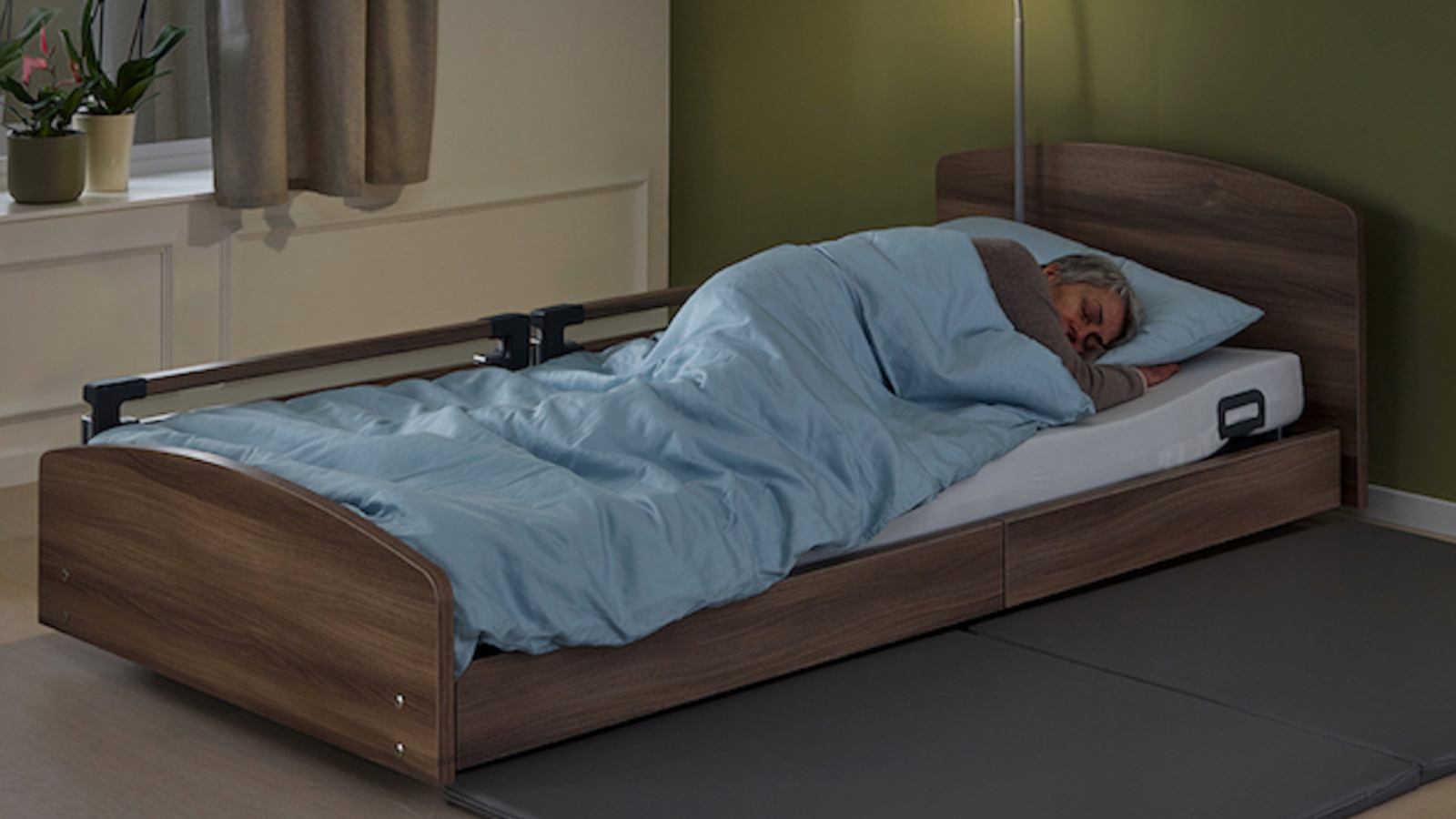
A safer bedroom setup can support rest, positioning, personal care and easier transfers.

Good equipment should support the person receiving care and the carers helping each day.
Equipment that may help at home
The aim is not to turn the home into a hospital.
The aim is to make the home safer, more comfortable and more manageable for the person receiving care and for those supporting them.
Bedroom and comfort
Mobility and daily care
For short-term needs, urgent hospital discharge or changing care requirements, rehab equipment hire may also be suitable.
Supporting carers as well
Palliative care affects the whole household.
Family members often become carers very quickly. They may be helping with meals, medications, transport, appointments, washing, dressing, toileting, transfers, overnight support and emotional care.
That can be rewarding, but it can also be exhausting.
Good support at home should consider the carer as well as the person receiving care.
If a transfer is unsafe, if the bed is too low, if showering has become difficult, or if the person is at risk of pressure injuries, the right equipment and advice can make a real difference.
No family should feel they have to work everything out alone.
.png)
Practical first steps
When everything feels overwhelming, it can help to focus on the next few practical steps.
It can also help to think about where the person is spending most of their time and whether that area is safe, accessible and comfortable.
Ask early about equipment. It is often easier to arrange the right support before things become urgent.
If you need to locate specialist palliative care services, the National Palliative Care Service Directory may help you find services and providers in Australia.
How Statewide Home Health Care can help
At Statewide Home Health Care, we understand that palliative care equipment is often needed at a sensitive and stressful time.
Families may be trying to bring someone home from hospital. A therapist may be organising equipment before discharge. A nurse may be trying to improve comfort and safety in the home.
Sometimes decisions need to be made quickly, but still carefully.
We can assist with the hire or purchase of rehab equipment for home-based palliative care, including adjustable beds, pressure care mattresses, bedroom aids, bathroom equipment, mobility aids, transfer equipment and other supports recommended by the treating team.
Where possible, we work with occupational therapists, physiotherapists, nurses, case managers, hospitals and families to help ensure the equipment suits the person, the home environment and the care needs at the time.
This is not just about supplying equipment. It is about helping make the home environment more comfortable, safer and easier to manage during a difficult stage of life.
.png)
Need help with palliative care equipment at home?
Speak with the Statewide Home Health Care team about practical equipment options for comfort, safety and home-based care.
We can help with hire and purchase options across homecare beds, pressure care, bathroom aids, mobility equipment and transfer supports.
A final thought
Palliative care can be a confronting subject, but it can also bring support, clarity and comfort at a time when people need it most.
It gives people and families a chance to ask questions, plan carefully, manage symptoms, talk honestly and focus on what matters.
When life changes suddenly, it is okay not to have all the answers straight away.
The first step is often just to pause, understand what support is available, and take things one decision at a time.
Frequently asked questions
Is palliative care only for the final days of life?
No. Palliative care can begin much earlier. It can support comfort, symptom management, family support and quality of life while a person is living with a serious or life-limiting illness.
Can palliative care be provided at home?
Yes, in many situations palliative care can be provided at home with support from health professionals, family, carers and community services. Speak with the treating team about what is suitable.
What equipment may help with palliative care at home?
Common options include adjustable homecare beds, pressure care mattresses, over-bed tables, lift recliner chairs, shower chairs, commodes, wheelchairs, transfer aids and mobility aids.
Can palliative care equipment be hired?
Yes, equipment hire may be suitable when needs are short term, changing quickly, or when equipment is needed for hospital discharge. Statewide Home Health Care can help with rehab equipment hire options.
Should I speak with an occupational therapist first?
Yes, it is helpful to speak with an occupational therapist, physiotherapist, nurse or treating health professional. They can assess the person, the home and the care needs before equipment is chosen.
Disclaimer: This article is general information only. It does not replace medical, clinical or allied health advice. For advice specific to your circumstances, please speak with your GP, palliative care team, occupational therapist, physiotherapist or other treating health professional.